Football
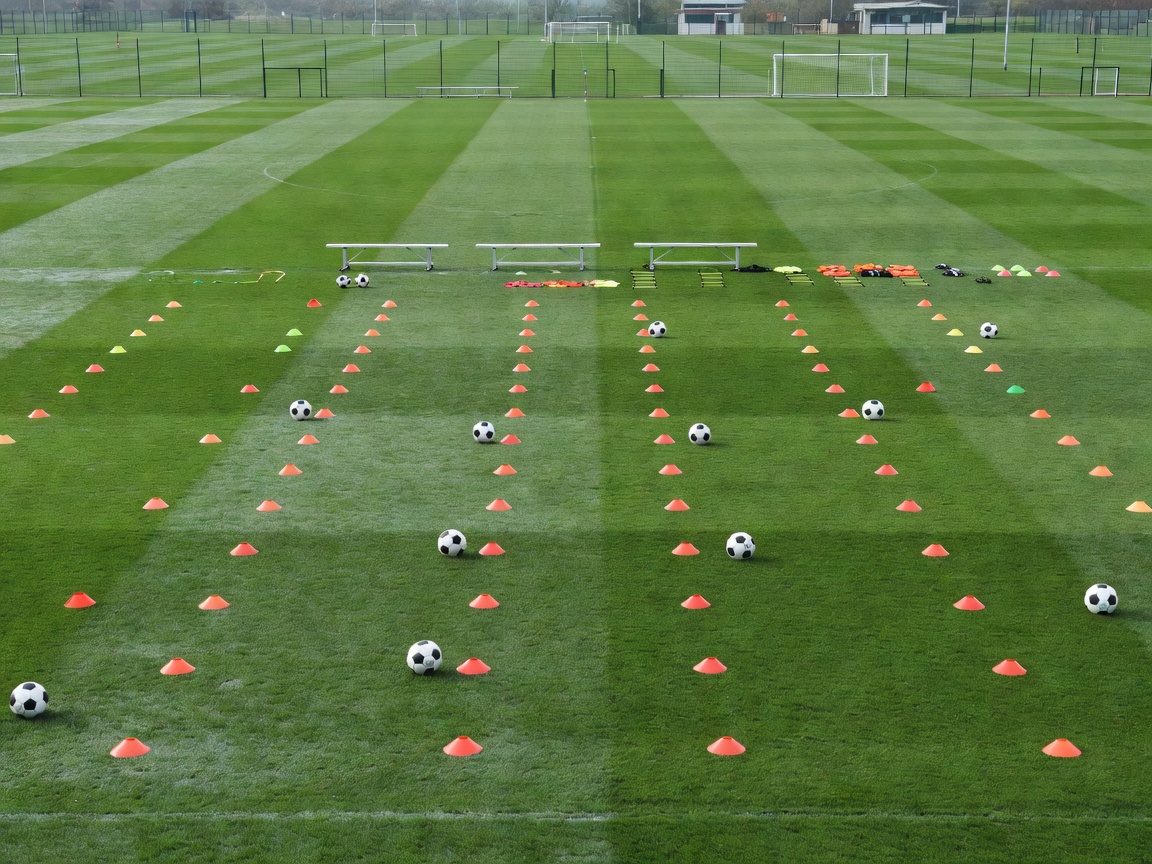
Football is the core programme at every academy in this guide: Clairefontaine, Ajax, La Masia, Sporting CP, the Bayern Campus, Red Bull Salzburg, Dinamo Zagreb, Benfica and Anderlecht. Club academies typically field teams across consecutive age groups, from childhood levels up to under-19 sides, with second teams or partner clubs above them. Clairefontaine differs because it works with a narrower early-teen age band as part of the French federation's pre-training system.
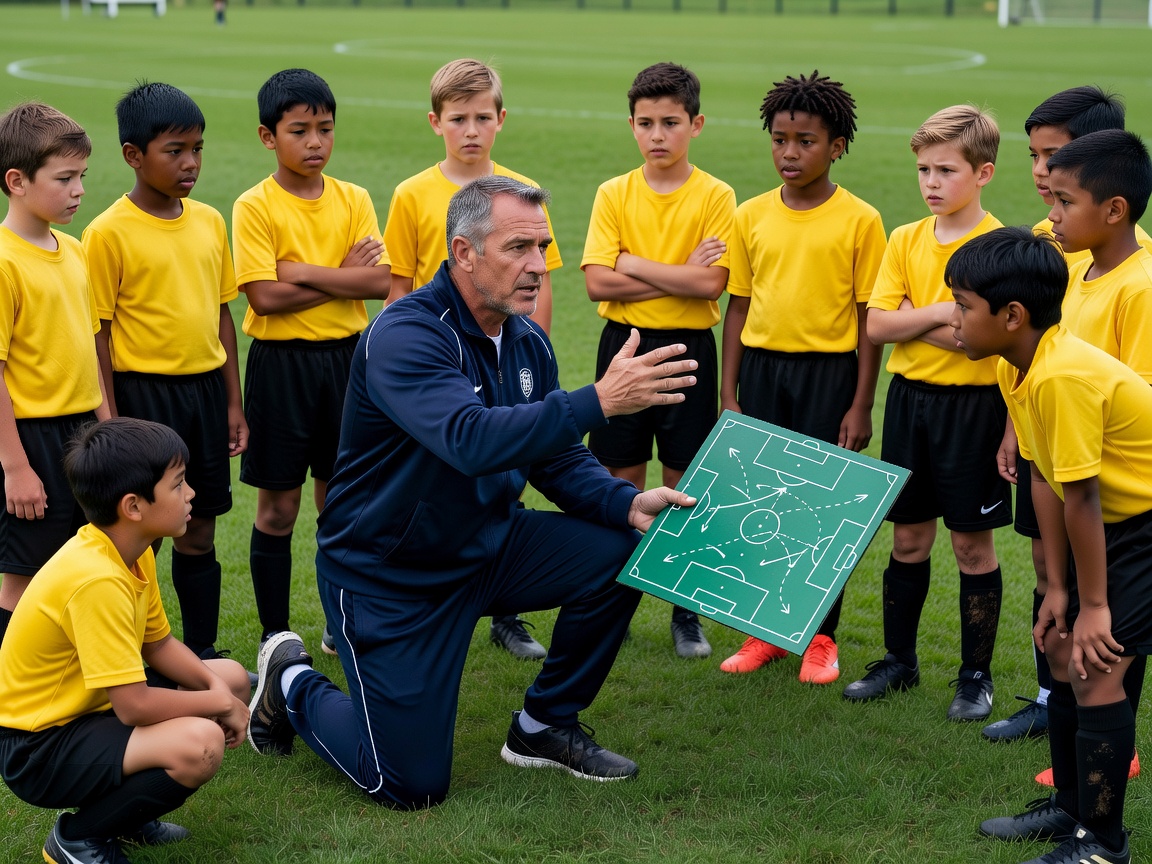
Football programmes combine technical work, tactical learning, match play and physical development. The balance shifts with age: younger groups spend most of their time with the ball in small-sided games, while older groups add structured tactical sessions, video review and strength training.
Basketball
Several clubs behind these academies are multi-sport organisations. FC Barcelona, FC Bayern München, SL Benfica and Sporting CP all run basketball sections with their own youth teams. These sections operate separately from football academies, with their own coaches, recruitment and competitions, although at Barcelona young basketball players are part of the broader La Masia environment.
For a basketball-focused athlete, the relevant point is that the club name alone does not describe the programme. Check the basketball section's own information for age groups, facilities and schooling arrangements.
Tennis
None of the nine academies is a tennis academy, and this guide does not suggest otherwise. Tennis is included because many families compare pathways across sports. In Europe, youth tennis development is usually organised through national tennis federations, regional training centres and private academies, with players competing individually in junior tournaments rather than in club age-group teams.
Several principles transfer directly from the football academies discussed here: early emphasis on coordination and technique, careful management of training load during growth, combining education with training, and gradual rather than early specialisation.
Athletics
SL Benfica and Sporting CP both have long-established athletics sections, reflecting the multi-sport tradition of Portuguese clubs. Within football academies, athletics-based work appears in a different form: sprint mechanics, acceleration, agility and conditioning are part of physical development programmes, often led by strength and conditioning staff.
Young athletes considering athletics itself should look at national athletics federations and club athletics sections, where coaching is organised by event group.
Multi-sport development
Multi-sport development has two meanings here. First, the clubs themselves: Barcelona, Bayern, Benfica and Sporting operate several sports under one organisation, and Red Bull Salzburg's academy houses both football and ice hockey. Second, the athlete: long-term athlete development frameworks commonly encourage children to sample several sports before specialising, to build broad movement skills.
Programme phases
Age bands differ between academies, but most programmes follow a similar sequence.
| Phase | Approximate ages | Main focus |
|---|---|---|
| Foundation | U9–U12 | Ball mastery, coordination, small-sided games, enjoyment |
| Development | U13–U15 | Tactical understanding, positional roles, growth-aware loading |
| Performance | U16–U19 | Competition, strength and conditioning, individual plans |
| Transition | U19+ | Second teams, loans and first-team exposure |
Specialisation vs sampling
Early specialisation — pros
- More sport-specific practice time
- Earlier exposure to academy coaching
Early specialisation — cons
- Higher risk of overuse strain
- Narrower movement base
- Greater burnout risk
Sampling — pros
- Broad coordination and athleticism
- Keeps motivation high
Sampling — cons
- Scheduling several sports is demanding
- Less time for sport-specific skills
Inside a training week
Schedules vary by age and academy, but an older age group's week commonly includes several pitch sessions, one or two gym sessions, a match, video analysis and recovery work, fitted around school. Younger groups train less often and for shorter periods. When comparing programmes, ask how the week is balanced rather than simply how many hours are scheduled.