Facility types
Academy facilities vary in scale, but most serious programmes share the same building blocks. Understanding them helps families ask better questions during visits.
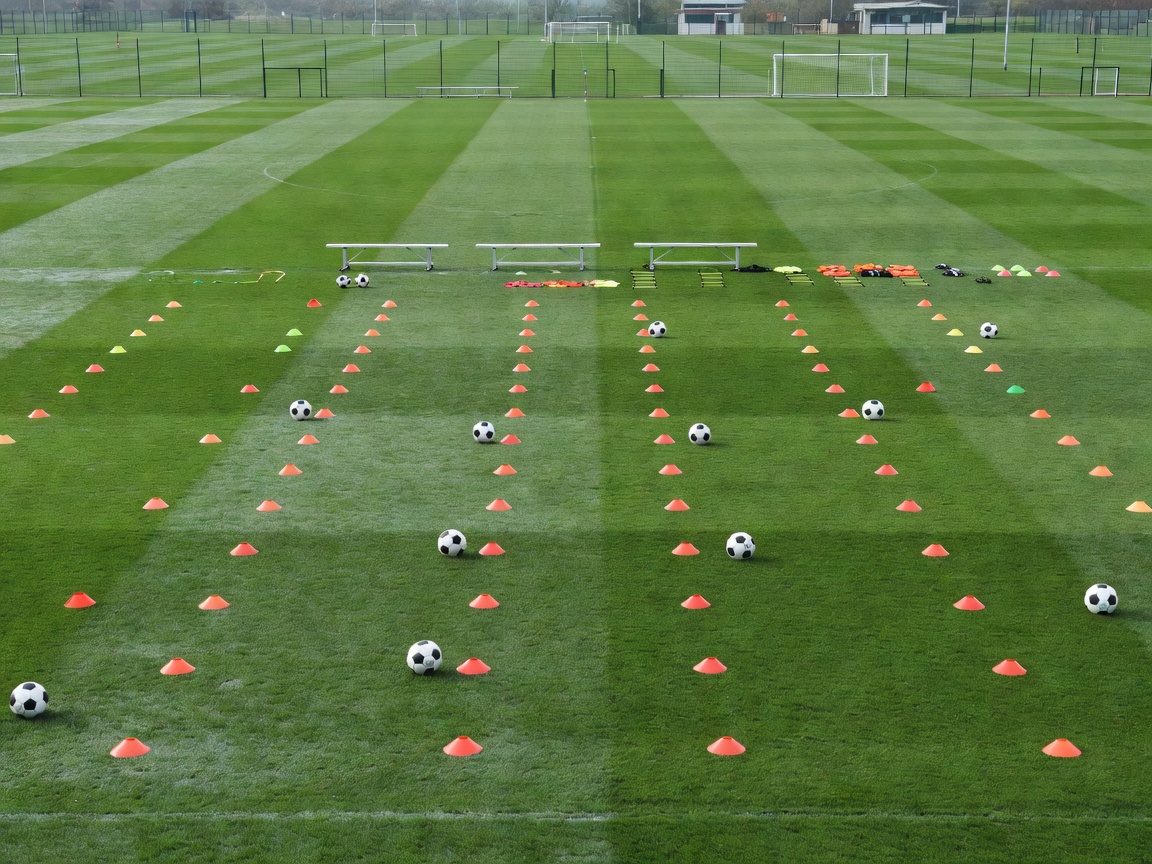
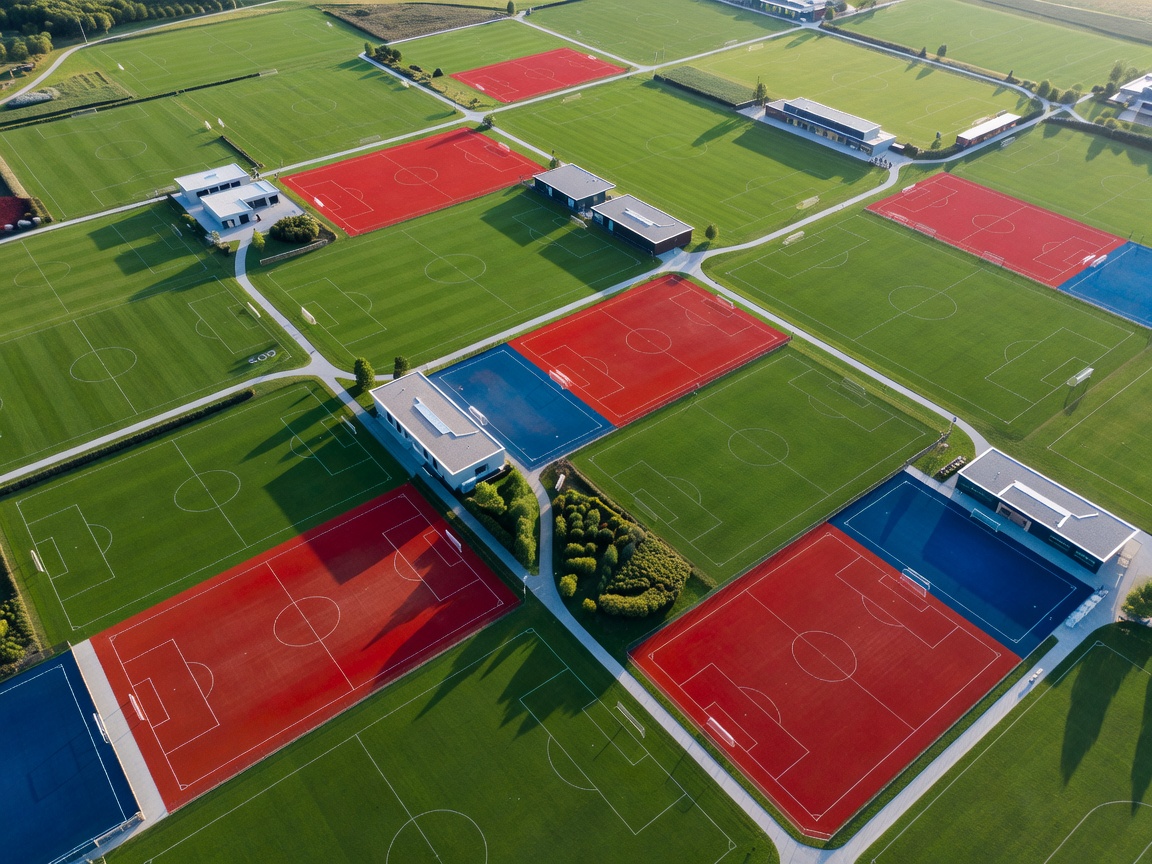
- Pitches. A mix of natural grass and artificial surfaces allows year-round training. Some sites include a small stadium for youth and second-team matches, as at the FC Bayern Campus.
- Indoor spaces. Halls and covered areas protect training in winter — relevant in Munich, Salzburg, Zagreb and Brussels.
- Gyms and rehabilitation. Strength and conditioning areas are used progressively, with more emphasis in older age groups.
- Medical departments. Physiotherapy, injury prevention and return-to-play support.
- Analysis rooms. Video review of training and matches supports learning and feedback.
- Residences. Accommodation for players who live too far away to commute.
- Education. On-site classrooms or partnerships with local schools.
Campus models
The nine academies illustrate three broad models. The first is the integrated club campus, where youth and professional football share a site: the Benfica Campus in Seixal, Sporting CP's complex in Alcochete and FC Barcelona's Ciutat Esportiva Joan Gamper all follow this pattern. The second is the dedicated youth campus, such as the FC Bayern Campus, opened in 2017 specifically for youth football, and the Red Bull Akademie in Liefering, which also houses ice hockey. The third is the national centre, represented by Clairefontaine, which combines national team facilities with a pre-training programme.
Integrated campuses let young players see professional routines up close. Dedicated youth campuses allow facilities and scheduling to be designed around developing athletes. National centres offer concentrated training while players remain tied to their own clubs.
Residences & schooling
Residences exist because talent is spread geographically. La Masia's name comes from the farmhouse that served as Barcelona's youth residence from 1979 until a new building opened at the Ciutat Esportiva in 2011. Today most major academies offer supervised accommodation, typically with house staff, study time and rules adapted to age.
Schooling is usually arranged through partner schools near the training ground, with timetables coordinated around sessions. Ask how the academy monitors academic progress, what happens during exam periods and whether support continues if a player is released.
Youth development
Responsible youth development recognises that only a small share of academy players become professionals. Good programmes therefore aim to develop capable, educated young people regardless of outcome.
Growth and maturation. Adolescents grow at different rates. Many academies monitor height and weight changes to adjust training load during growth spurts, when injury risk can rise. Some use bio-banding — grouping players by biological maturity rather than birth date — for selected sessions or matches.
The relative age effect. Players born early in the selection year are often over-represented in youth squads because they are physically more mature. Academies aware of this try to judge long-term potential rather than current size.
Psychological support and safeguarding. Moving away from home, competing for places and handling setbacks are demanding. Look for clear safeguarding policies, named welfare staff and access to psychological support.
Exit planning. Release is part of every academy pathway. Well-run programmes explain decisions honestly and help players find new clubs or educational routes.
Boarding: pros and cons
Advantages
- Access to full-time coaching and facilities
- Structured routine for training, study and rest
- Supervised nutrition and recovery
Disadvantages
- Distance from family at a young age
- Possible change of school and language
- Harder transition if released
Visit checklist
- Who supervises the residence, and what is the staff-to-player ratio?
- How are school timetables and exams coordinated with training?
- How is training load adjusted during growth spurts?
- Who is the safeguarding lead, and how can parents contact them?
- What support is offered to players who leave the academy?